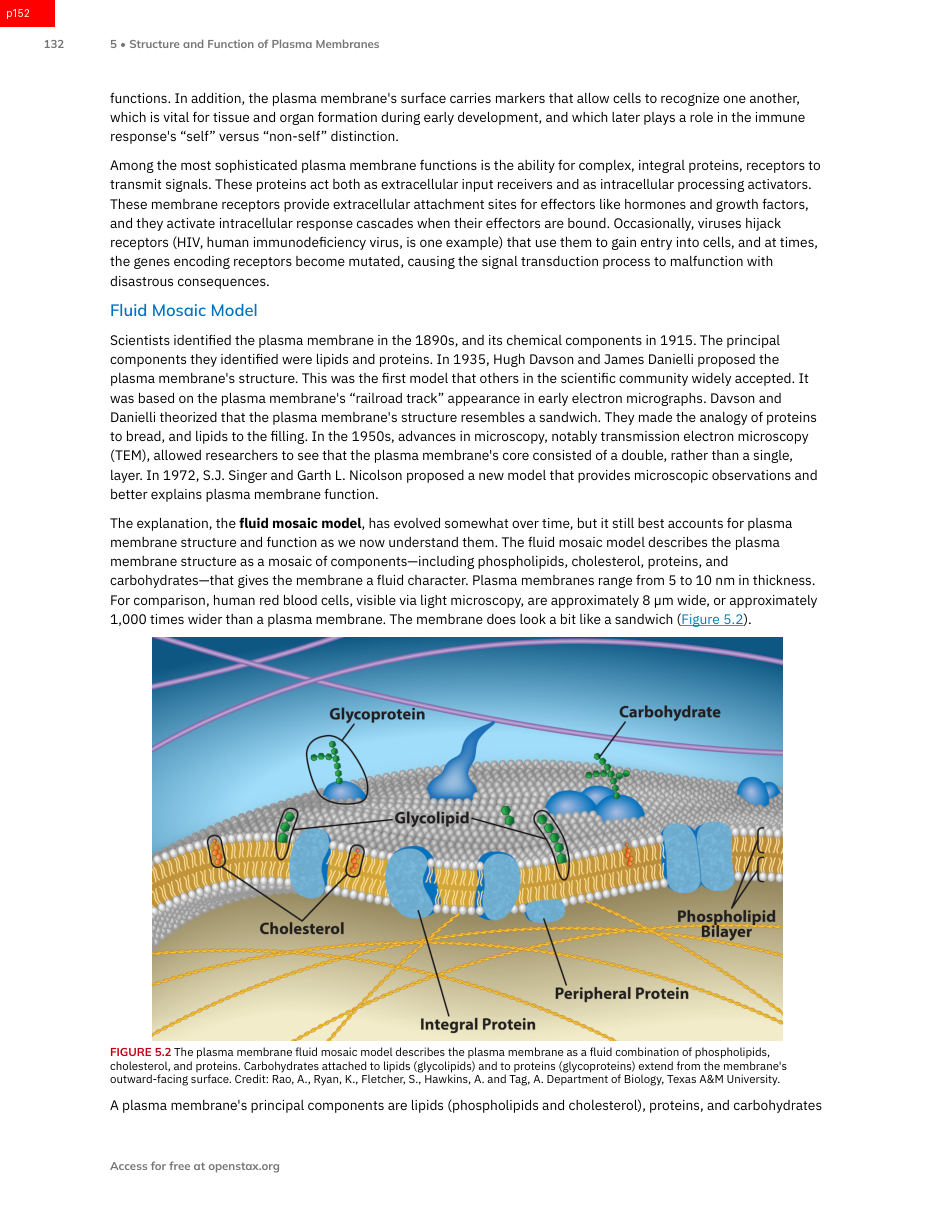
The section is read true to the source — word for word. But the figure is just an image. Read straight through, a listener hears “Figure 5.2” and a caption, and misses everything the picture is actually doing.
Turning any textbook into a faithful, navigable audiobook — with the structure understood, the figures described, and the text reading along.
Why this exists. I’m Ian Garlington, a dyslexic literature PhD who earned my doctorate on audiobooks and machine-read text — and was always let down by their quality: page numbers read mid-sentence, figures skipped, columns scrambled. I built this to fix that, first for my own daughter, and now for the millions of learners who depend on audio to take in information.
A textbook’s hardest content is its figures — the diagrams, maps, and charts whose meaning lives in the picture, not the words. Audio services skip them. We read the page true to the source text, then, for each figure, the AI reads the page’s own words and adds only what the diagram shows that the text cannot — so nothing overlaps, and nothing essential is missed.
OpenStax Biology, the plasma membrane (Figure 5.2). A real page: the prose names the components, but the diagram carries the structure — and that is exactly what a listener loses.
1 · The page, as printed
The section is read true to the source — word for word. But the figure is just an image. Read straight through, a listener hears “Figure 5.2” and a caption, and misses everything the picture is actually doing.
2 · How the AI decides what to say about the figure
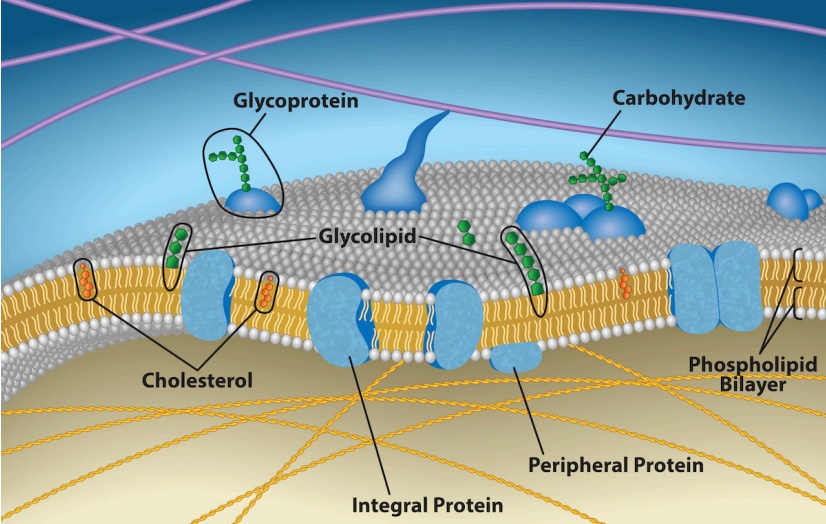
“Looking at the image. The plasma membrane is structured as a bilayer with two layers of phospholipids, their phosphate heads facing outward and their fatty acid tails facing inward… Integral proteins span the entire width of the membrane, while peripheral proteins rest on the inner or outer surface. Carbohydrate groups form a layer on the outer surface, attached to proteins to form glycoproteins and to lipids to form glycolipids.”
3 · How the student experiences it
FIGURE 5.2 The plasma membrane fluid mosaic model… Looking at the image. The plasma membrane is structured as a bilayer with two layers of phospholipids, their phosphate heads facing outward and their fatty acid tails facing inward. Integral proteins span the entire width of the membrane, while peripheral proteins rest on the surface…
The figure travels inside the read-along. The text highlights sentence-by-sentence as it is narrated — and at the figure, the AI’s spoken explanation highlights right along with it, the picture in view.
The same system on a history map — OpenStax U.S. History, the Aztec city of Tenochtitlán:
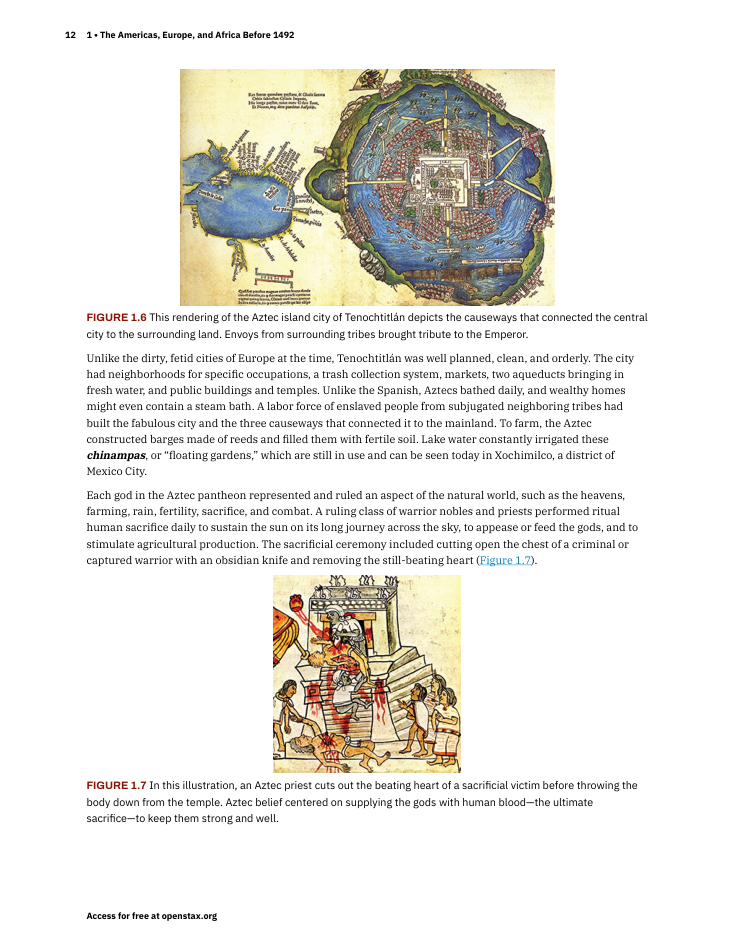
“The image shows the city of Tenochtitlán as a large, densely built island surrounded by water, with three long causeways extending from different points on its perimeter to the mainland, connecting it to the outside world.”
A diagram, a map, a chart — in any subject, the figure’s meaning is delivered, never skipped.
It isn’t text-to-speech. The system understands the page — its structure, its figures, and how they relate — then expresses that to the student in the most meaningful way.
Each is a real textbook section converted end-to-end — reading order corrected, page furniture removed, every figure described aloud, and the text highlighting sentence-by-sentence as it is read.
OpenStax Biology — 5.1 The Fluid Mosaic Model
OpenStax U.S. History — 1.1 The Americas
Read-along: for the synced text‑and‑audio, open an EPUB in Dolphin EasyReader (free — iPhone/iPad/Android, built for dyslexia) or Thorium Reader (Mac/Windows/Linux). The text highlights sentence‑by‑sentence as it’s narrated — the format that helps dyslexic readers most. Apple Books plays the audiobook, but not this reflowable read-along (its narration is limited to fixed-layout books).